


Insights
What Is NatureFlex Packaging? A Guide For Businesses
Oct
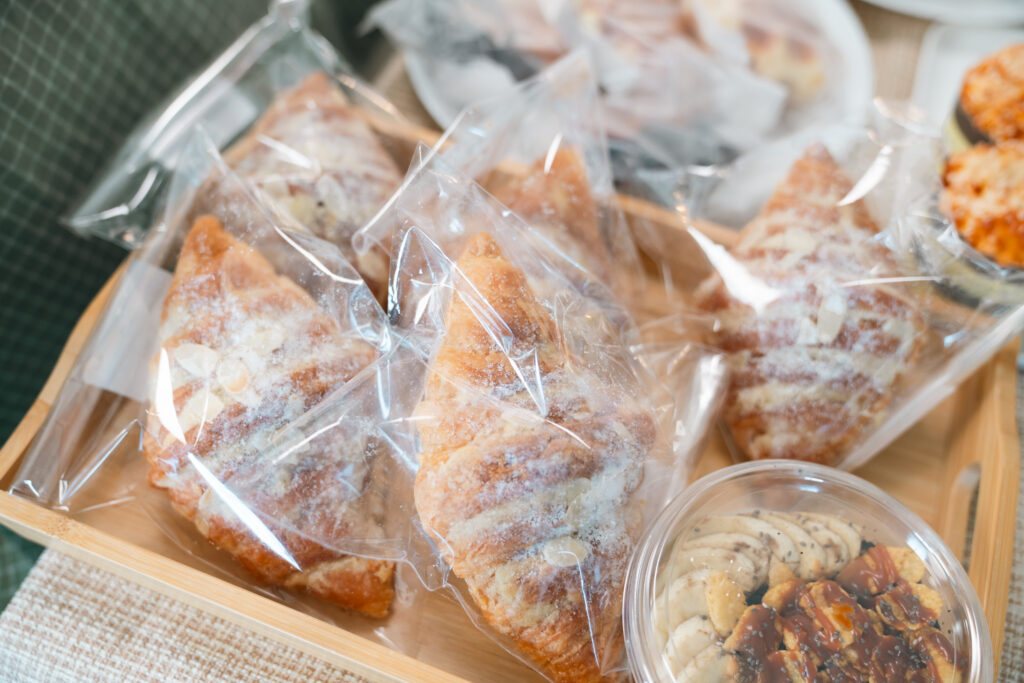
As businesses look for more ways to reduce their reliance on conventional plastic packaging, alternative materials are becoming and increasingly important consideration. NatureFlex packaging offers one option, combining the practical properties needed for flexible packaging with the material made from renewable wood pulp.
But what exactly is NatureFlex, how does it differ from traditional packaging materials and is it suitable for your products?
In this guide, we explore what NatureFlex packaging is made from, its key properties and compostability, the products it can be used for and what businesses should consider when deciding whether it’s the right packaging solution for them.
Contents (click to jump to a section)
What Is NatureFlex Packaging?
NatureFlex is a range of flexible, cellulose-based films made primarily from renewable wood pulp sourced from responsibly managed forests. Designed as an alternative to many conventional plastic packaging materials, NatureFlex combines sustainability with the practical properties needed to package and protect a wide variety of products.
Different NatureFlex films are available to suit different packaging requirements, with options varying in their finish, coating and performance. Depending on the application, the material can provide excellent clarity, durability and protection while being suitable for food packaging.
This versatility makes NatureFlex packaging suitable for products including sweets and chocolates, bakery items, herbs and spices, loose-leaf tea, granola, pasta and pulses. It can also be manufactured into different formats, including flat and gusseted bags, depending on how the product needs to be stored and presented.
For businesses looking to reduce their reliance on conventional plastics, NatureFlex provides a flexible packaging option that can support sustainability goals without overlooking product protection, presentation or performance.
What Is NatureFlex Made From?
The main raw material used to make NatureFlex packaging is cellulose, a naturally occurring substance derived from wood fibres. For NatureFlex films, this cellulose is extracted from wood pulp and then processed to create the flexible material used for packaging.
During manufacturing, the wood pulp is converted into a substance called viscose. This is then cast into thin, transparent sheets to create the cellulose film that forms the basis of NatureFlex packaging.
Depending on how the packaging will be used, the film can then be treated with different coatings and finishes. These can provide additional properties such as heat sealability and increased resistance to moisture, gases, oils and aromas, which is particularly important when packaging food products.
Most NatureFlex films contain at least 90% renewable raw cellulose material, although the exact composition and coatings can vary. This allows NatureFlex films to be selected according to the protection and performance required by the product being packaged.
Is NatureFlex Plastic?
Whether NatureFlex is considered plastic depends on the type of film and any coatings applied to it. The distinction is particularly important for businesses that want to make clear and accurate sustainability claims about their packaging.
Uncoated NatureFlex is not classified as plastic under the EU Single-Use Plastic Directive. However, some NatureFlex films use specialist polymer coatings to provide additional functionality. Under strict regulatory frameworks such as the EU Single-Use Plastics Directive, the presence of these coatings can mean the finished film technically falls within the broad legal definition of a single-use plastic, even where the material is bio-based and certified compostable.
For this reason, NatureFlex packaging should not automatically be described as completely “plastic-free”. Its classification can vary depending on the specific grade, coating and intended application.
Understanding this distinction allows businesses to look beyond broad sustainability claims and choose NatureFlex packaging based on both its environmental credentials and the performance their product requires.

What Are the Properties of NatureFlex Packaging?
Choosing packaging isn’t simply about how sustainable the material is. It also needs to protect the product, perform reliably during packaging and provide the appearance you want customers to see. NatureFlex packaging is available with a range of properties that can be matched to different products and packaging requirements.
Key Materials and Physical Properties
NatureFlex films combine the appearance of traditional cellophane with properties suited to modern flexible packaging.
- High clarity: Transparent NatureFlex films provide excellent product visibility, making them particularly useful when the appearance of the food packaged is part of its appeal.
- Glossy finish: The naturally glossy appearance can help create a clean, professional presentation without hiding the product inside.
- Anti-static properties: NatureFlex has inherent anti-static characteristics, which can make it easier to handle during packaging and particularly useful for products such as dry foods.
- Dead-fold properties: NatureFlex is well suited to folds and twists, making it a practical option for a variety of packaging styles.
For businesses, these characteristics mean choosing a more sustainable packaging material doesn’t necessarily mean compromising on how a product looks or performs.
Protective and Barrier Properties
Different products place different demands on their packaging. NatureFlex films are available with varying barrier properties, allowing businesses to choose a grade according to what the product inside needs.
- Gas and aroma barrier: NatureFlex can provide strong barrier protection against oxygen, gases and aromas, helping preserve the characteristics of products where freshness and flavour are important.
- Moisture control: Different coatings provide varying levels of moisture protection, plus natural breathability can help prevent fogging in chilled displays.
- Grease and oil resistance: NatureFlex offers resistance to oils and greases, making it suitable for a range of food packaging applications.
- Heat sealability: Heat-sealable grades can create secure seals and are designed to perform effectively on packaging machinery.
This ability to select different NatureFlex film properties is particularly valuable for food businesses. Rather than choosing packaging based on sustainability alone, the film can be selected according to factors such as shelf life, moisture and aroma protection and packing method.
Sustainability and End-of-Life
One of the main reasons businesses consider NatureFlex is its end-of-life options. Depending on the specific film and any additional coatings, NatureFlex can be certified for industrial composting, with certain grades also certified for home composting.
NatureFlex films are also available for direct food-contract applications, making them suitable for products ranging from confectionery and bakery goods to tea, coffee and dried foods.
For businesses considering NatureFlex packaging, the important question isn’t simply whether the material is sustainable. It’s about finding the right combination of product protection, presentation, packaging performance and end-of-life credentials. Norman Knights can manufacture NatureFlex packaging using different film specifications, sizes and formats, allowing these requirements to be considered as part of the packaging choice.
What Can NatureFlex Packaging Be Used For?
The versatility of NatureFlex packaging makes it suitable for a wide range of food products. Different film grades, formats and barrier properties can be selected depending on the product, the protection it requires and how it needs to be presented.
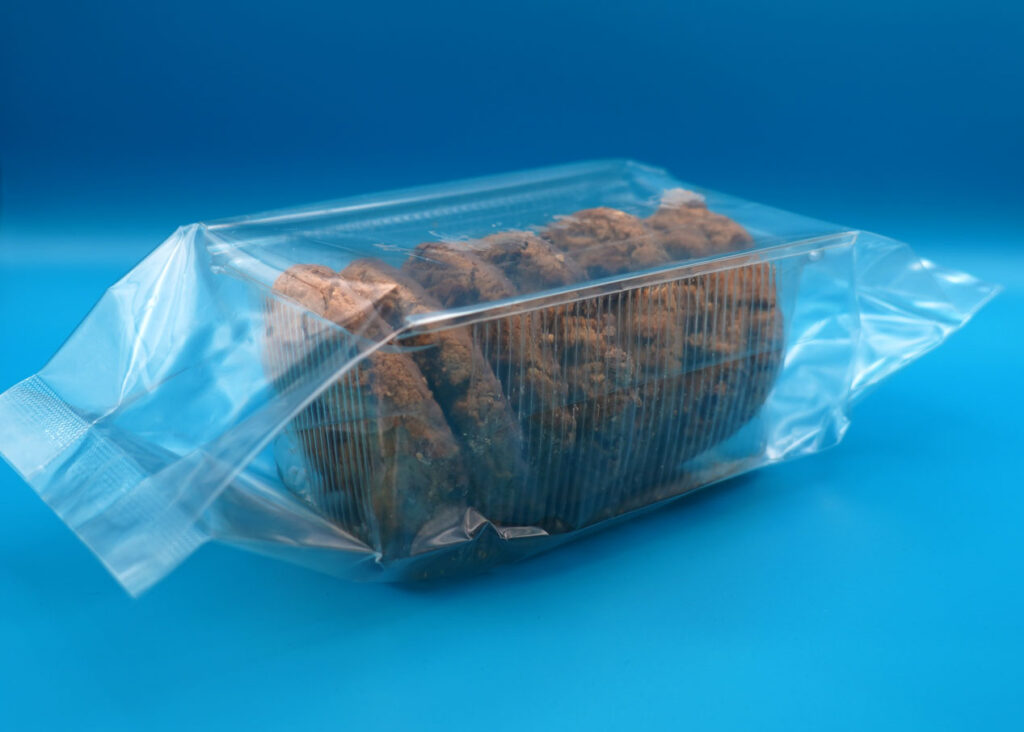
Bakery and Baked Goods Packaging
NatureFlex can be used for bakery packaging, including biscuits, cookies, snack bars and other baked goods. Its high clarity helps showcase the product inside, while suitable film grades can provide moisture and aroma protection to help maintain product quality.
Shop Baked Goods Packaging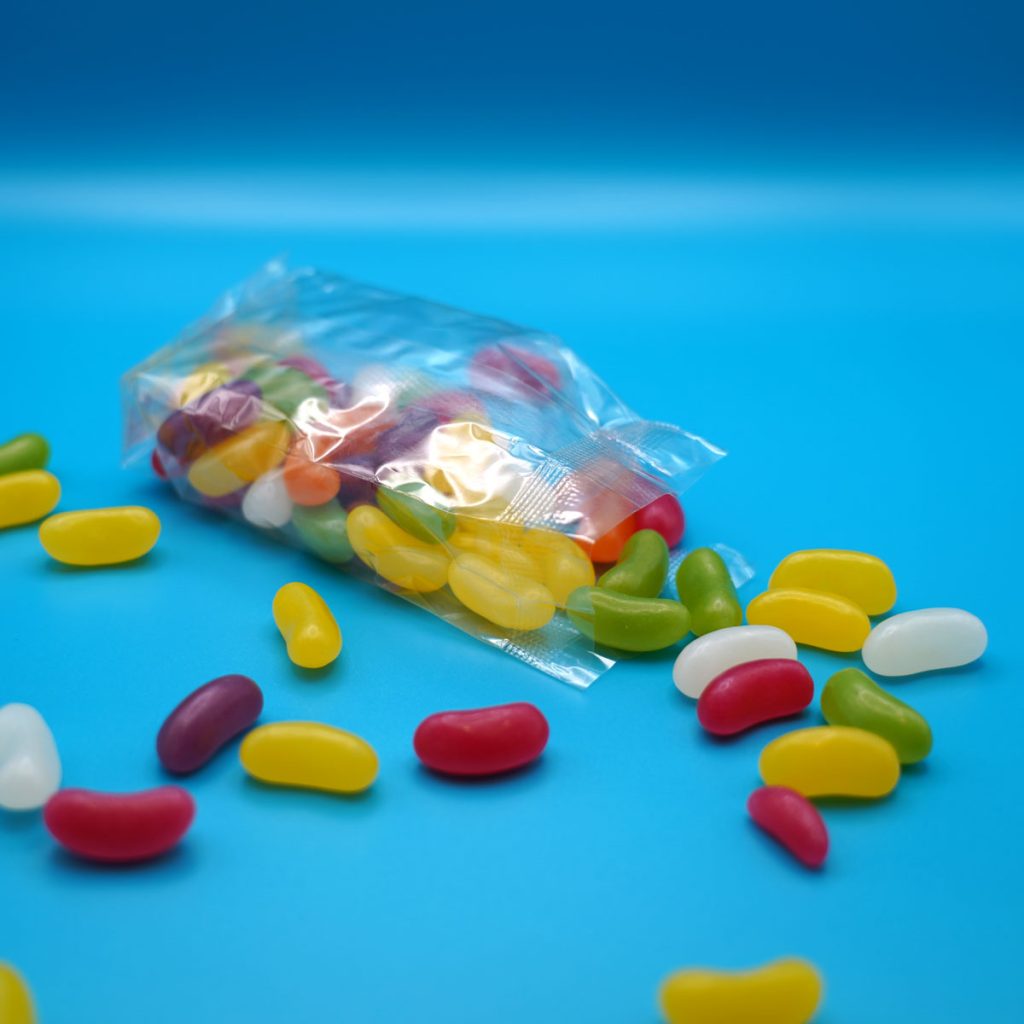
Confectionery Packaging
For sweets, chocolates and other confectionery packaging, NatureFlex combines clear presentation with practical packaging performance. Its ability to hold folds and twists also makes it suitable for individually wrapped sweets and chocolates, as well as bagged confectionery.
Shop Confectionery Packaging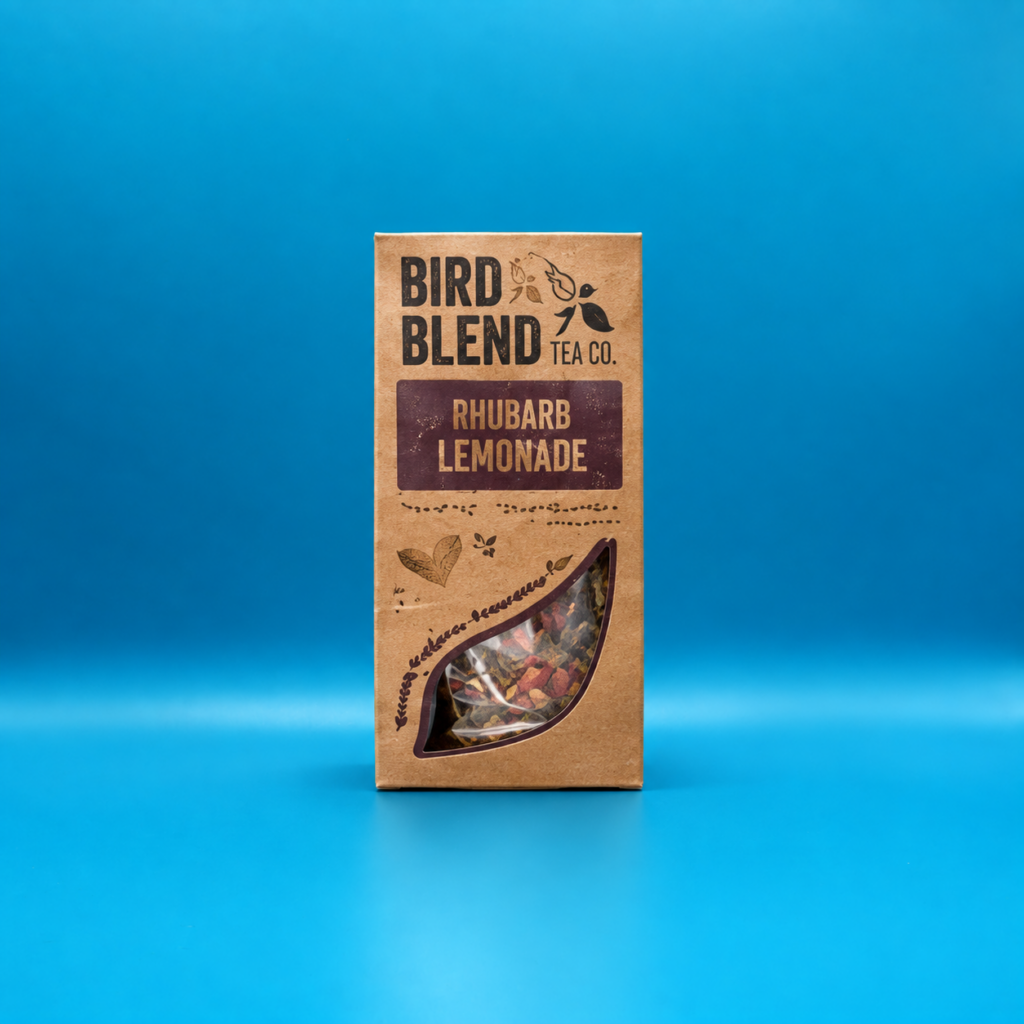
Coffee and Tea Packaging
Suitable NatureFlex films can provide the barrier properties needed to help protect the flavour and aroma of coffee and tea. Different film specifications can be selected according to the product and the level of protection required.
Shop Tea and Coffee Packaging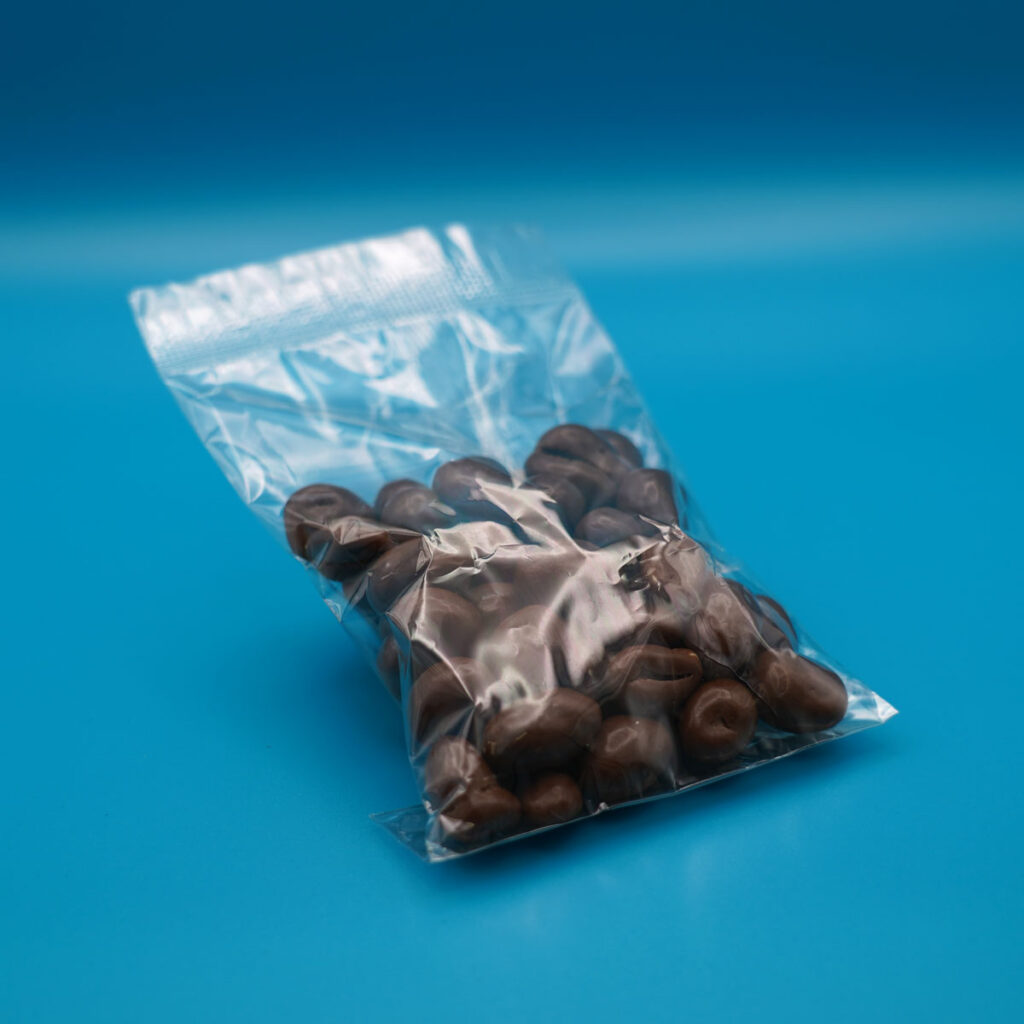
Flat and Gusseted NatureFlex Bags
NatureFlex is available in different bag formats to suit the size and shape of the product. Flat NatureFlex bags provide a simple format for smaller products, while gusseted NatureFlex bags expand to accommodate bulkier products such as cookies, confectionery, granola, pasta and pulses.
Bespoke sizes can also be manufactured, giving businesses the flexibility to choose packaging dimensions suited to their individual products.
Shop All NatureFlex Packaging OptionsIs NatureFlex Packaging Right for Your Business?
NatureFlex packaging can be a suitable choice for businesses looking to combine product protection and presentation with more sustainable packaging choices. However, the right solution will depend on your product and what you need the packaging to achieve.
Before choosing NatureFlex, consider:
- What are you packaging? Different products have different requirements when it comes to moisture, aroma, grease and gas barriers
- How long does it need to stay fresh? Consider the shelf life of your product and the level of protection it will require.
- Does your product need to be visible? Clear NatureFlex packaging can be particularly effective for products such as bakery goods, confectionery and dried foods.
- What are your sustainability goals? Consider how the packaging material and its end-of-life options fit into your wider sustainability objectives.
- How will the packaging be filled and sealed? Consider your existing packing process and whether you require a particular film specification or sealing performance.
- Do you need a standard or bespoke size? Choosing dimensions suited to your product can improve presentation while avoiding unnecessary packaging.
Norman Knights converts NatureFlex film in-house, its team can help businesses consider the film grade, size, format and finish required for your particular product.
Buy Sustainable NatureFlex Packaging From Norman Knights
Ready to make the switch to more sustainable packaging? Norman Knights manufactures and converts NatureFlex packaging in the UK, giving businesses access to compostable packaging without compromising on product presentation or performance.
From flat and gusseted bags to bespoke sizes and different NatureFlex film specifications, packaging can be produced around the requirements of your product. Whether you need packaging for confectionery, bakery products, coffee, tea or dried foods, Norman Knights can help you choose an appropriate format and specification.
With in-house manufacturing, short bespoke runs and larger production order available, you can choose NatureFlex packaging that works for both your product and your sustainability goals.
Shop NatureFlex Packaging